Incubus Sleep Paralysis Dream

‘Ask The Dream Detective’ – from Mimi’s Dream Column for the New Spirit Journal

A 16-year old girl had the following dream:

“This is the second time I’ve seen an incubus in my dream. The first time the incubus sat on my chest and I tried to scream, but my sister didn’t hear me. In the recent dream, I’m having a sleep over with my two best friends in my room, but then suddenly I’m in my sister’s bedroom, and my bed is randomly placed in the middle of her room. My sister is asleep. Unexpectedly I say ‘Come on, you can’t have me, incubus!’ Then I feel this pressure on my chest, it is so intense it is painful. I try to call out to my sister for help but no one can hear me. I want to get away but I can’t move! I try to look and see the incubus; there is a light behind it and I can see through the sheet of my bed like it was transparent. I could feel that it was a male that was pressing down on me. I was really scared. I think about looking at the incubus not through the sheet but moving my head to the side so I could see it, but then I don’t think I want to see it. I was trying to escape and talk until I woke up but no sound was coming out and I could not move. Finally, I woke up terrified.”

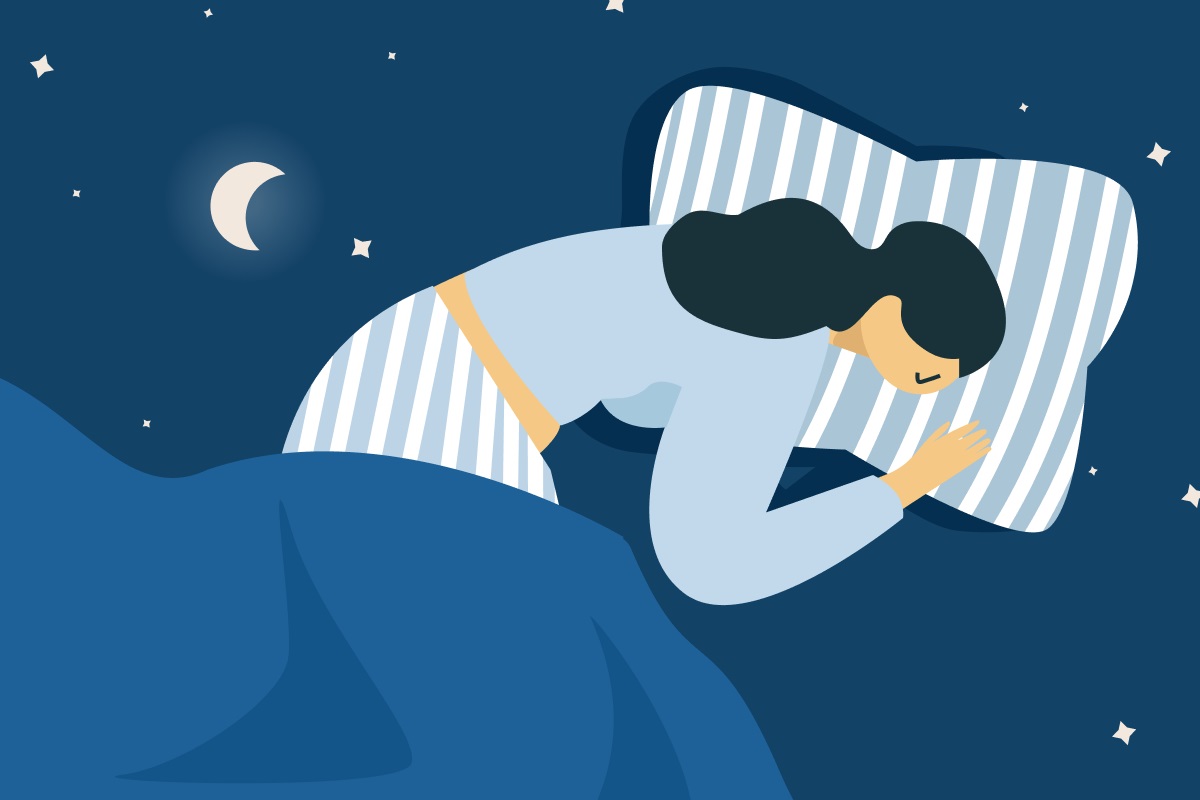
This dream is a classic example of a sleep paralysis attack. During R.E.M. sleep the major muscles of the body become paralyzed so that we do not act out our dreams and harm ourselves or others. We are still able to breathe and move our eyes (thus the term ‘rapid eye movement’ which happens as we actually watch our dreams!), and most of the time we are never aware that our body is paralyzed. However, in some instances there can be a little glitch in the system where the mind becomes conscious before the paralysis lifts from the body. When we try to move as we normally would upon waking, we find that we cannot. This is a very scary situation to find one’s self in. And for some, it gets scarier….

All over the world throughout history, in every culture known to man, there is another phenomenon that can accompany sleep paralysis, coined by Penn State University Professor David Hufford as ‘sleep paralysis attacks’, referring to a ‘visitor’ in the form of some sort of energy usually experienced as having negative intentions. Not everyone who experiences sleep paralysis also experiences the ‘attack’ part, but those who do will never forget it. In a sleep paralysis attack, the person realizes they are physically paralyzed and they also experience this visitation from a figure, entity, stranger, energy, or whatever you want to call it. This figure sometimes appears in a black hooded cloak like what we associate with the classic image of the Grim Reaper. Others experience something known as ‘the Old Hag’, which interestingly enough looks like what we would stereotype as the classic Halloween Witch. For others, the figure may appear as a black silhouette or shadow, or they may not be able to see it at all. It can take many different forms, usually menacing; sometimes even devils, demons, or aliens. It is even speculated that alien abduction reports may actually be cases of sleep paralysis attacks (which is a whole other topic for another exploration). In sleep paralysis, the visitation is often accompanied by a sensation of pressure pushing down on one’s chest, impeding the ability to breathe, as if the entity is crushing the person. It is believed that Fuseli’s painting ‘The Nightmare’ which pictures a demon sitting on a woman’s chest as she lies in bed, is very likely a depiction of a sleep paralysis attack.

In the above dream example, the dreamer refers to the figure as an incubus (she also referred to him as the Devil when I asked her to give the dream a title). Ryan Hurd, author of ‘Sleep Paralysis’, defines the visiting entity as an incubus as soon as physical contact is made with the dreamer. whether or not the contact is actually sexual in nature (thought there is often the feeling of that intent coming from the visitor). The physical contact can range from sitting on the bed or sitting on the person, to pressure on the chest inhibiting breathing as described above, to sexual touching or full on intercourse. Traditionally an incubus is thought of as a male entity that has sexual contact with women, and a succubus is a female entity who has sexual contact with men. I’m not sure if they swing both ways, but I don’t see why they wouldn’t. Some say they are shapeshifters who can change gender, so an incubus and a succubus are one in the same and just able to switch on command (again, a topic for another article – an interesting one at that).

About 40% of the population will experience sleep paralysis at some point in life, and for many it will occur only once or a handful of times. Factors such as having our sleep cycle disrupted by working odd hours, periods of intense stress, even certain medications can be triggers. Often just regaining balance in life will help them go away or they will resolve by themselves. About 15% of those affected will actually experience a sleep paralysis attack, or visitation. Many have the paralysis without a visitor.

If you experience sleep paralysis and the problem becomes ongoing, seek help from a sleep specialist or read the books about it by authors Ryan Hurd or David Hufford. Ryan Hurd also provides examples for how to deal with the experience on both practical and spiritual levels as he has experienced ongoing episodes himself. I hope this Halloween season finds you safe and sound with happy dreams, and if you have any apparitions or visitations may they be from warm fuzzy bunnies and puppies and kittens. Unless, of course, you’re into succubii or incubi. Whatever floats your boat!

October 6th, 2020 by Mimi

Dreams & the Paranormal

Location: East West Bookshop, 6407 12th Ave NE., Seattle, WA
Date: Sunday, October 11, 2015
Time: 3-5 pm
Cost: $15 Register Now! or sign up at the event

Many extraordinary and paranormal phenomena take place during the sleep and dream states. Night time and the twilight state are especially conducive to these experiences. While some dreams are about psychological processing, other dreams and experiences are beyond this, taking us into the realm of the spiritual and metaphysical.

In this event we will explore some of these experiences including: precognitive, telepathic, clairvoyant and shared dreams, visitations from departed loved ones, sleep paralysis empathic telepathy and pre-death dreams and visions. Seattle dream expert Mimi Pettibone hosts dream groups, workshops and offers private consultations at East West Bookshop as well as by phone.

East West Bookshop is now located above Whole Foods grocery store (65th & Roosevelt). Free parking upstairs, enter from 12th Ave NE and head up the ramp to park near the shop.

September 28th, 2015 by Mimi

Sleep Paralysis Attacks

Sleep paralysis is a phenomenon that happens during the transition between sleep and waking. During R.E.M. (dreaming) sleep the body becomes paralyzed, in order to keep us from physically acting out our dreams. Normally, the paralysis stops before we wake up. However occasionally there is a ‘glitch in the system’, and our mind wakes up before our body is released from the state of paralysis. While many people may experience an upsetting (though soon to pass) case of sleep paralysis, others report an even more terrifying occurrence that happens while in the paralyzed state: the sensation of being visited by some kind of entity. Coined ‘Paralysis Attacks’ by David Hufford, Professor of Behavioral Science at Penn State University, these experiences are described by those who experience it as a visitation by an negative presence.  Hufford has done extensive research, and has been able to identify over 30 common elements to these attacks.

The prevailing common denominators are:
•    Waking up in bed and realizing one can’t move
•    The person can move their eyes, but the body is paralyzed
•    Hearing footsteps
•    A figure enters the room (often described as dark, not human, intent to harm, some sort of presence but not sure what)
•    Incredible sense of fear
•    A feeling of weight or pressure upon the chest (sometimes other areas of the body, most commonly the chest)
•    A sense that if the person just laid there, they would die.
•    The experience feels very real, different than a normal dream or nightmare.


The frequently reported sensation of pressure on the chest, combined with the sensing of some sort of negative presence, cause us to believe that Fuseli’s painting ‘The Nightmare’ (above) is a depiction of a sleep paralysis attack. Accounts of this phenomenon are documented in art and literature as far back as we have historical records, and in fact, Hufford doesn’t know of any culture, anywhere, that doesn’t have a tradition describing it. Known by different names around the world: ‘The Old Hag’, ‘Popabawa’, ‘Demon’, ‘Witch’, or just a dark figure or shadow, the description of the experience is the same.
People in this state are able to accurately describe their environment, indicating a state of being awake, yet brain wave recordings taken during attacks show elements of both wakefulness and REM sleep. Victims are usually convinced they are awake and that this was not a dream. They are actually in a mixed state of consciousness between wakefulness and dreaming, also known as a hypnopompic state (when a person is falling asleep, as opposed to waking up, the same mixed state is known as the hypnogogic state).
It would be easy enough to attribute the whole description to a bad dream or nightmare; but that doesn’t explain why so many people – including many who have never heard of this phenomenon – report such similarities in their accounts. While there are variations in individual reports, the similarities cannot be ignored. In fact, the descriptions bear uncanny similarity to alien visitation reports, and Hufford believes these are actually cases of sleep paralysis attacks.
Science as of yet does not have a sufficient explanation for this baffling phenomenon, which does not reduce the suffering of those who experience this terrifying occurance. For more information, check out Hufford’s book: The Terror That Comes In The Night

Also check out Ryan Hurd’s book: Sleep Paralysis: A Guide to Hypnagogic Visions and Visitors of the Night

And I wish you all SWEET DREAMS tonight!

October 22nd, 2014 by Mimi

Dreams & The Paranormal – Workshop at the Bellevue Club (Private Event)

Paranormal and Extraordinary Phenomena in Sleep and Dreams
Have you ever dreamed of a departed loved one, and wondered if their spirit had really come to visit you? Or dreamed of an encounter or event that later actually happened? This workshop will explore some of the unusual and mysterious aspects of sleep and dreams, including:

Precognitive Dreams

After Death Contact Dreams

Night Terrors vs. Nightmares

Clairvoyance

Sleep Paralysis

Lucid Dreaming

Shared Dreams

and Empathic Telepathy

Many people have experienced one or more of these, yet often we keep the experience to ourselves and do not realize how many others are also having them.  This workshop is a chance to get these topics out in the open.  Whether you are a skeptic, a believer, or a seeker, your curious mind is encouraged to attend.

*This workshop is a private event for members of The Bellevue Club, Oct. 18, 6:30-8:30pm.

If you are interested in hosting a similar workshop, please contact Mimi at 206-328-6464.

September 14th, 2012 by Mimi

Altered States of Consciousness in Sleep and Dreams

Hypnogogic State – The transitional, twilight state between being awake and falling asleep. In this state it is common for paranormal phenomena to occur, including auditory and/or visual hallucinations, out of body experiences, sleep paralysis and sleep paralysis attacks.

Hypnopompic State – Same as the hypnogogic state, except this term refers to the transition from sleep to waking.

Out of Body Experience (O.B.E.) –  When a person’s consciousness leaves the body and is able to observe the physical surroundings such as the bedroom they are in.  This may also involve travelling around, yet still viewing the physical surroundings as we know them in waking reality.

Near Death Experience (N.D.E.) – (a form of O.B.E.) A person may be pronounced clinically dead, only to later come back to life later.  Many will report conversations they overheard (for example between surgeons at the operating table if they died in a hospital) that are later confirmed, and the person would have had no way of knowing this information otherwise. This brings up the interesting and fascinating distinction between mind and brain, as consciousness (mind) is surviving without and beyond the death of the physical matter (brain).

Astral Projection –  When consciousness leaves the physical body and travels, similar to an Out of Body Experience, but the travel is through a more dream like, other worldly realm.

Lucid Dreaming – Becoming aware of the fact that one is dreaming during the experience of having a dream.  For more information read Robert Waggoner’s fascinating book “Lucid Dreaming”.  For more info, go here: https://www.thedreamdetective.com/faq.html#lucid

After Death Contact (A.D.C.) – When a deceased loved one comes to visit us in our dreams.  While some dreams of loved ones who have crossed over are ways of processing our loss, other are reported as feeling very ‘different’ than regular dreams. Some of the hallmarks of A.D.C. dreams are that they feel very real, as if the loved one were actually with the dreamer.  The dreamer may report smelling grandma’s perfume or grandpa’s cigar, and often the dream takes place in the dreamer’s bedroom, which is not the case for most dreams.  Sometimes a dream ‘already in progress’ may be interrupted by the appearance the deceased loved one, who almost always brings messages of comfort and love in any of these scenarios.  Many people also have these dreams of former pets who have crossed over as well.

Shared Dreams or Mutual Dreaming – The experience of having the same dream at the same time as another person.  Usually this occurs between people who are emotionally close such as siblings, close friends, family members or romantic partners. The degree of the ‘shared’ experience may vary from part of each person’s dream being the same (overlapping), to the entire dream being identical for both dreamers.  People sometimes intend for a shared dream experience, visualizing it and agreeing on a meeting spot before going to sleep.

Sleep Paralysis – In R.E.M. sleep our body becomes paralyzed so that we don’t physically act out what we are dreaming about, as this could be very harmful to our self and others.  When we wake up the paralysis releases, however sometimes there is a ‘glitch in the system’ where the paralysis takes a little longer to release.  Becoming conscious and finding that the body is paralyzed can be a terrifying experience that about 20-30% of the population will experience at some time. However, it usually resolves itself and is nothing to be afraid of.

Sleep Paralysis Attacks – A phenomenon that sometimes occurs during the state of sleep paralysis, where the dreamer reports a visitation. The visitor is most often described as either a dark, shadowy figure, or something know as ‘the old hag’, who is reported to look something like a Halloween witch. This phenomenon has been reported all over the world through out history.  Researcher David Hufford wrote a book about this called ‘The Terror that Comes in the Night’.

Nightmares – Scary dreams that often will wake us up with a pounding heart and covered in sweat.  These are R.E.M. dreams and are important to pay attention to when working through life’s difficulties.  If a nightmare relives a trauma and repeats with no progression or resolution over time, this would indicate a P.T.S.D. nightmare and professional guidance with an experienced professional is recommended.

Night Terrors – Different than a nightmare, these do not occur in R.E.M. sleep, but rather in stage 4, or the deepest, non-dream sleep. Often night terrors cause the sufferer to scream out loud, but upon waking they will have no recollection of any kind of dream or what happened.

Daydreams – A relaxed state (similar to a hypnotic trance) where creativity, imagination, problem solving and learning consolidation occur.  As part of our circadian rhythm (similar to the 90 minute cycles between R.E.M. dreams when asleep), we have a natural tendency to daydream about every 70-120 minutes through out the day.

Precognitive Dreams – Dreams that pick up on potentials for the future that may or may not play out. There have been reports of people who have had a precognitive dream and later recognized a dangerous situation in waking life because of the dream.  They were then able to make a course correction to prevent the potential negative outcome because the dream provided them with the warning and awareness to do this.

Clairvoyant Dreams –  A dream during which the dreamer is able to witnesses an outside event (happening in waking reality) at the same time it is actually occurring.

Empathic telepathy –  Similar to a clairvoyant dream, except that instead of witnessing an event as an outside observer during the dream, the dreamer experiences the event as if it were happening to them – in a sense assuming the identity of someone that the waking life event is actually happening to.

July 9th, 2012 by Mimi

Sleep Paralysis

During REM sleep, an interesting thing happens to our body: we become physically paralyzed. Most of the time we are unaware of it, because we are asleep and in the dream state. But occasionally a person will wake up and become consciously aware of the fact that they cannot move their body, and a state of fear and panic sets in. They are still able to move their eyes around, just as they do in REM sleep, but the body is paralyzed.  It usually lasts anywhere from a few seconds to a few minutes, but that time can feel like a terrifying eternity.

It is believed that sleep paralysis is a protective mechanism so that we don’t physically act out our dreams; imagine the mess, bumps and bruises we would wake up to if we did!  While most of the time the transition between sleeping and waking goes smoothly, it is estimated that anywhere from 20-30% of the world’s population will at some time experience the phenomenon of sleep paralysis.

The causes are generally unknown.  For some people it may be triggered by factors such as increased stress, lack of sleep, a changing sleep schedule, sudden changes in lifestyle, use of certain medications, or substance abuse.  For others, it can be associated with narcolepsy, or night time leg cramps. For most people there is no determining explanation.

While scary, it is only temporary, and for the majority of people it may happen once or twice in a lifetime and is nothing to worry about.

September 7th, 2009 by Mimi